Your LinkedIn post is dead by Thursday. A good Pin can still be sending traffic next spring. Here is how B2B teams use Pinterest as a search channel, what to pin first, and a 60-day plan to test it.
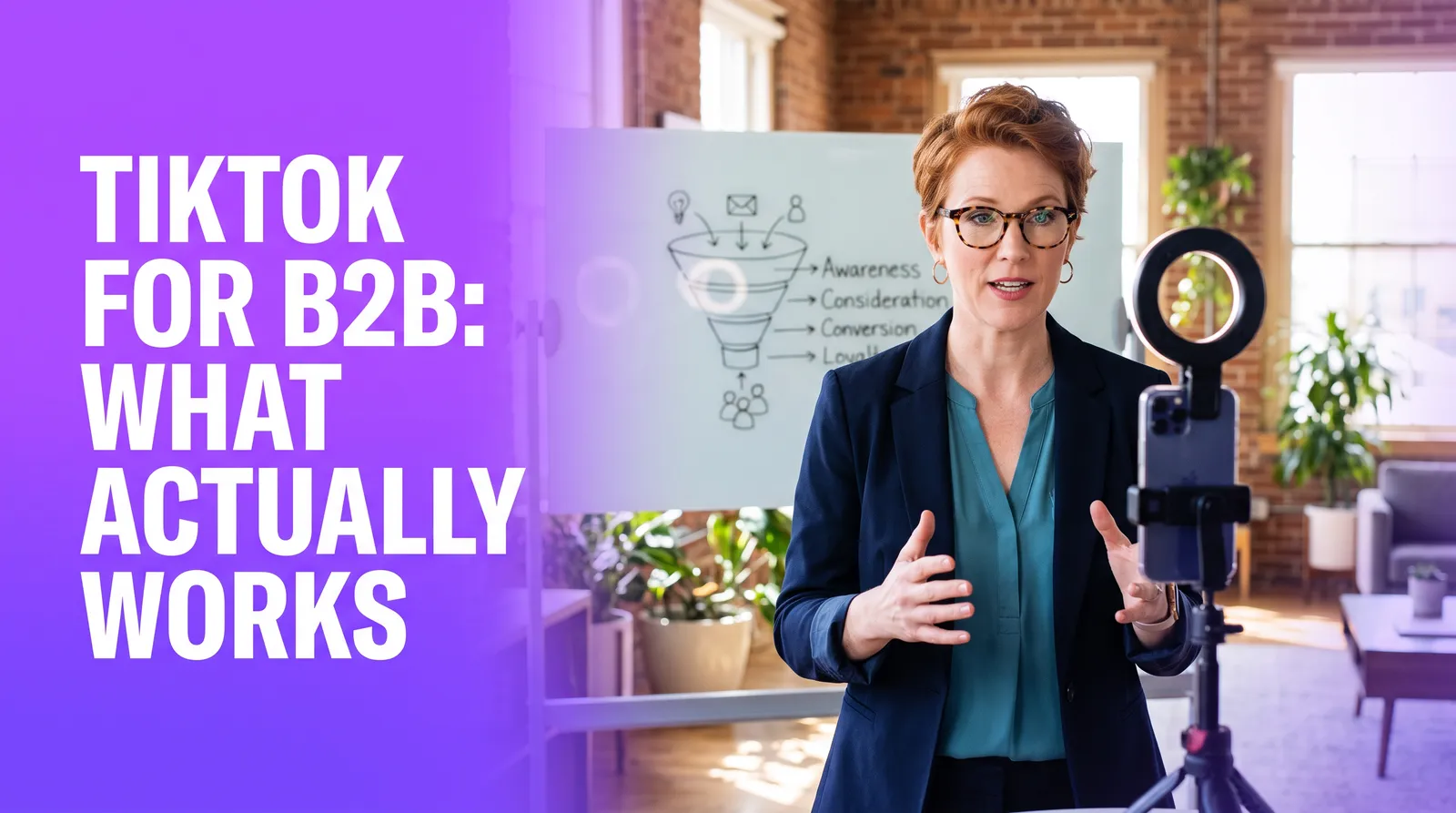
Most B2B teams wrote TikTok off years ago. The buyers didn't. Here is what actually works for B2B on TikTok, what burns your hours, and a 30-day test that tells you whether it is worth it.
You open Insights, see 0.9%, and have no idea if that is good. It depends on your follower count far more than any single benchmark admits. Here is the honest version.
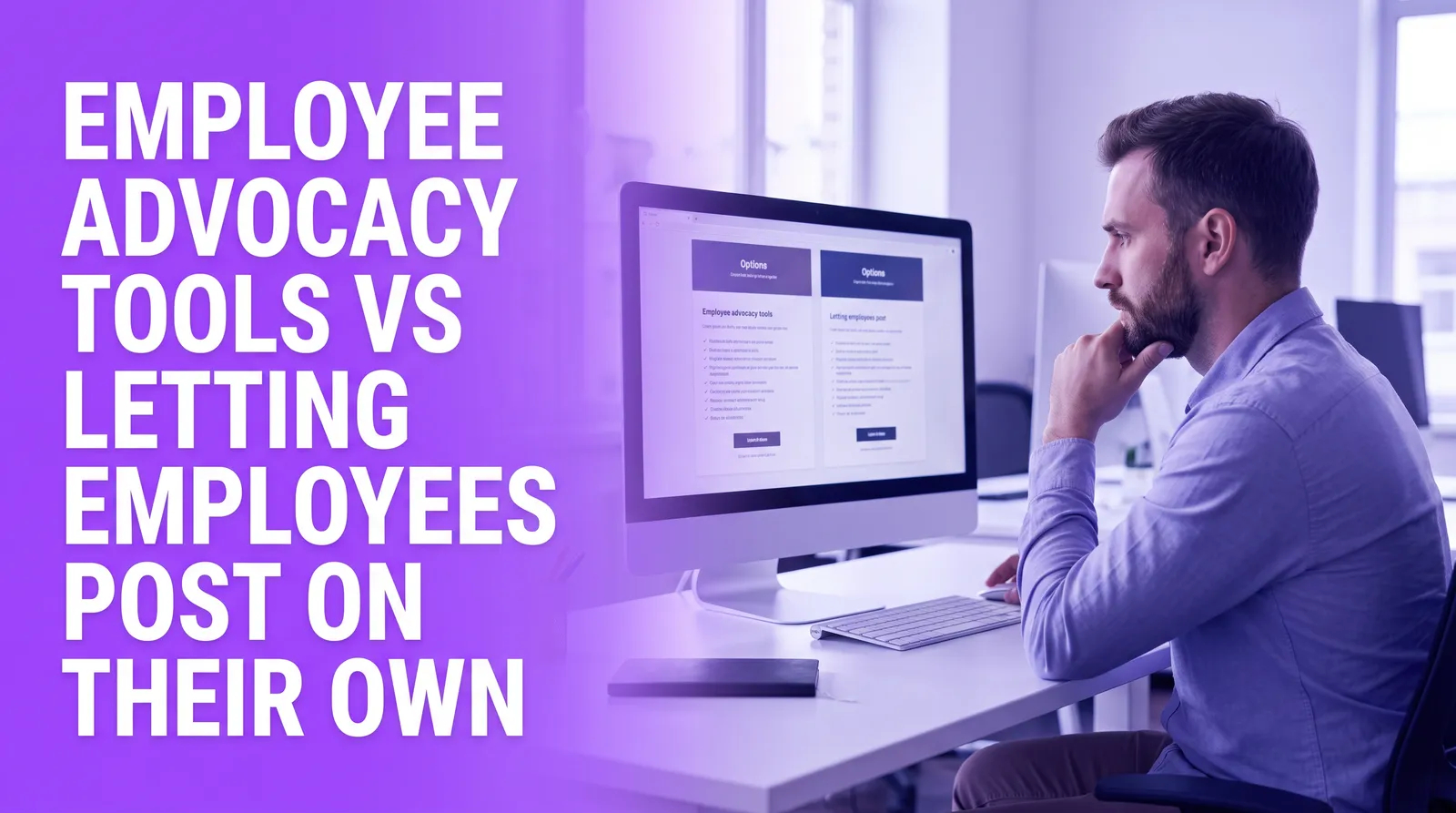
Do you need an employee advocacy platform, or is letting employees post on their own better? The honest answer depends on your size, and mostly on adoption.
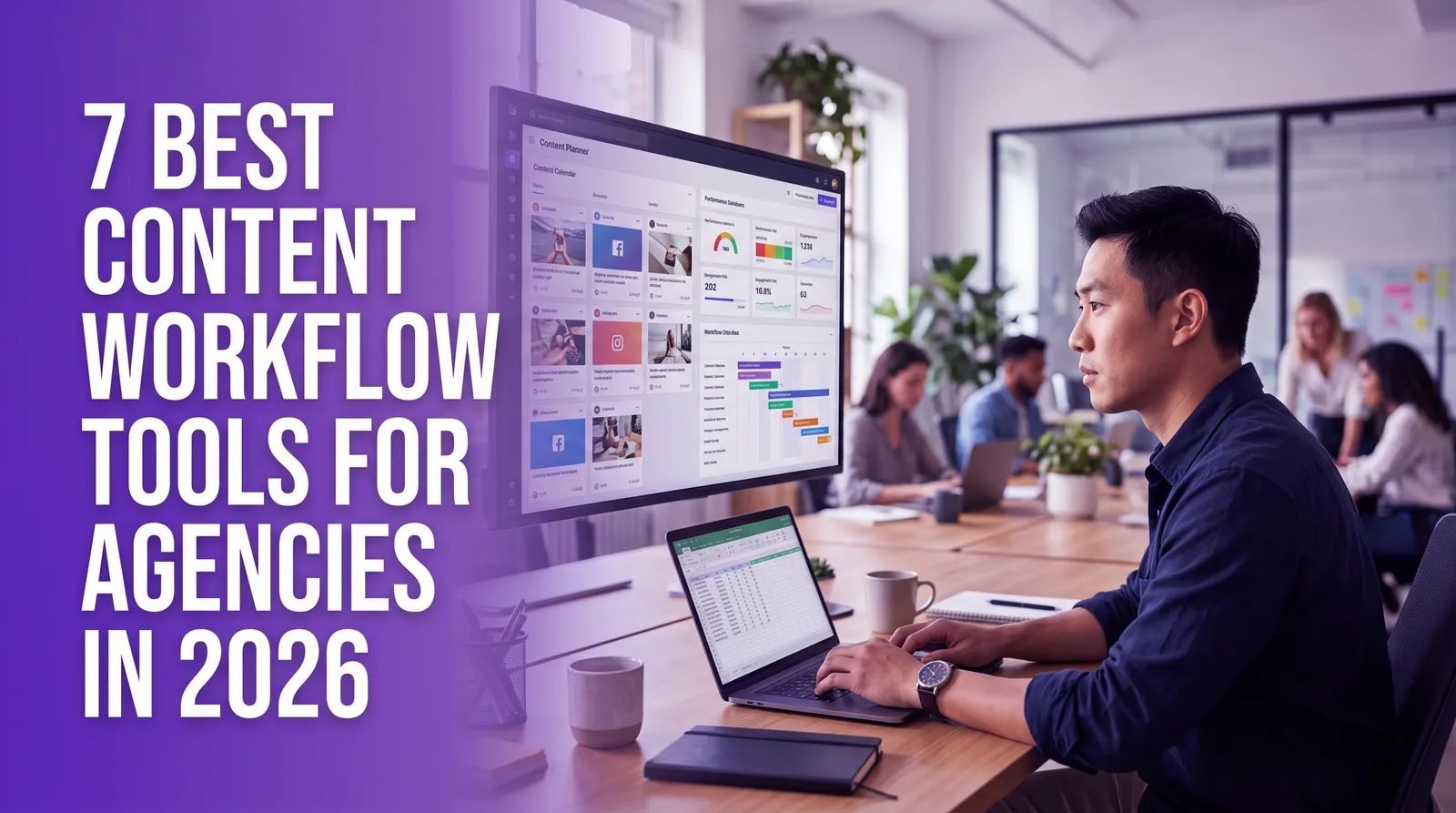
Managing content for a dozen B2B clients is a coordination problem before it is a posting problem. Here are the 7 tools that actually hold the workflow together, ranked.
Should you buy an employee advocacy platform or build the program in-house? An honest build-versus-buy framework, the real trade-offs, and the one layer both options skip.
Your team is willing to post, they just do not know what to say. Here is the content employees should share on LinkedIn, and how to make it take 5 minutes.
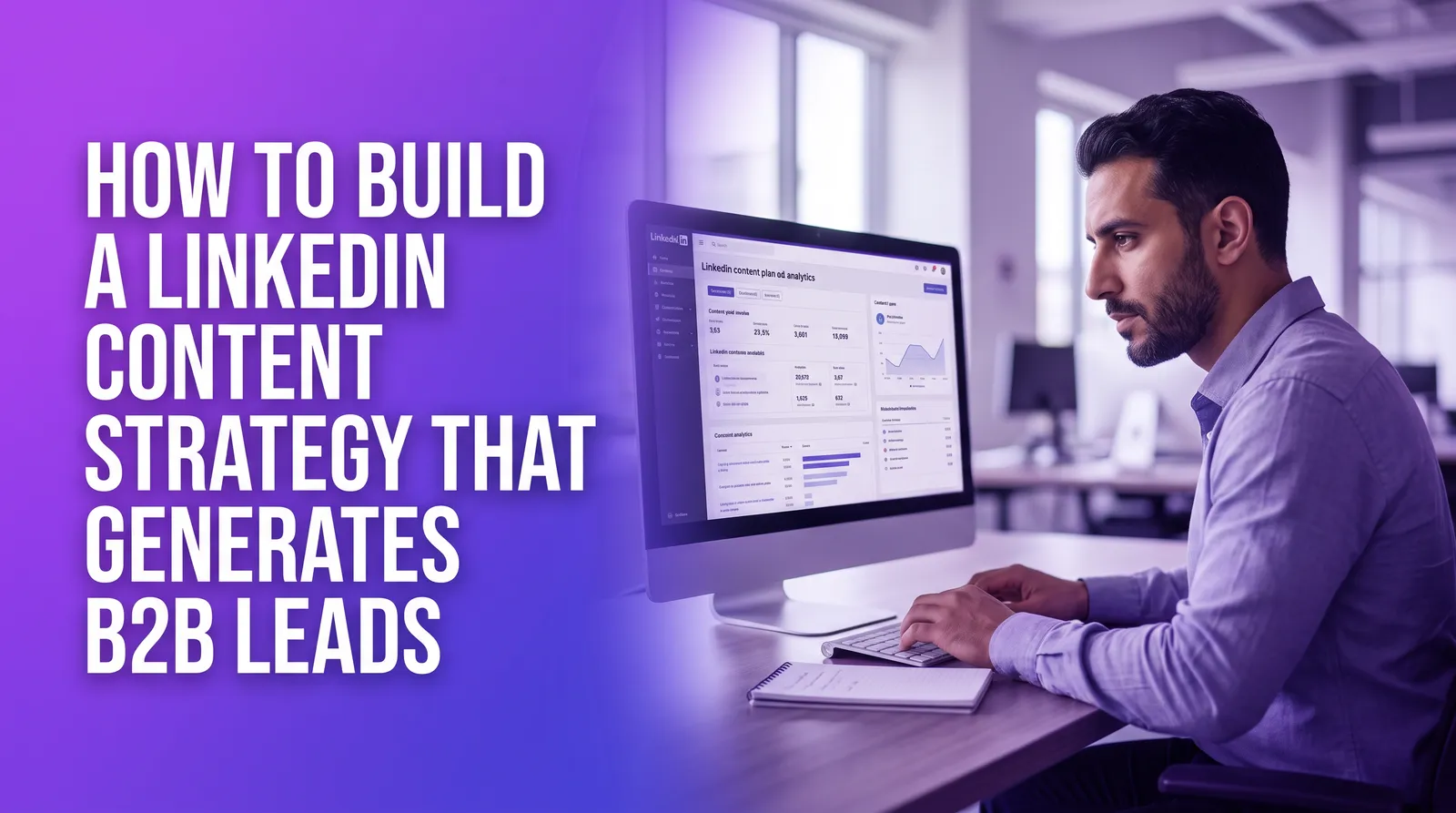
Most B2B LinkedIn strategies chase reach and wonder why no leads show up. Here is one built to generate pipeline: the mix of voices, a weekly plan, and how to measure leads instead of likes.
The strategy was fine. The recruiting was fine. Six weeks in, two people post and the rest have gone quiet. Activation is the missing step, and this is the playbook for it.
Your employees' networks are bigger and more trusted than your company page. Employee advocacy is how you put that to work. Here is the complete guide.
For B2B, LinkedIn is not one channel among many. It is the channel. Here is how B2B companies actually win on it: the stack, the pillars, and the cadence.
Every employee advocacy platform assumes your team has great content to share. Most do not. Here are the best advocacy tools in 2026, and the layer they all skip.
More content is demanded than any B2B team can produce, so the work fragments across five tools and quality slips. Content operations is the fix. Here is the system.
Everyone quotes a different good LinkedIn engagement rate, and most of the numbers come from tools measuring their own customers. Here is a straighter answer.
Most X timing charts you'll find online are scheduling-tool studies dressed up as research. Here is what the clean, non-vendor data actually supports, and a system to find your own window.
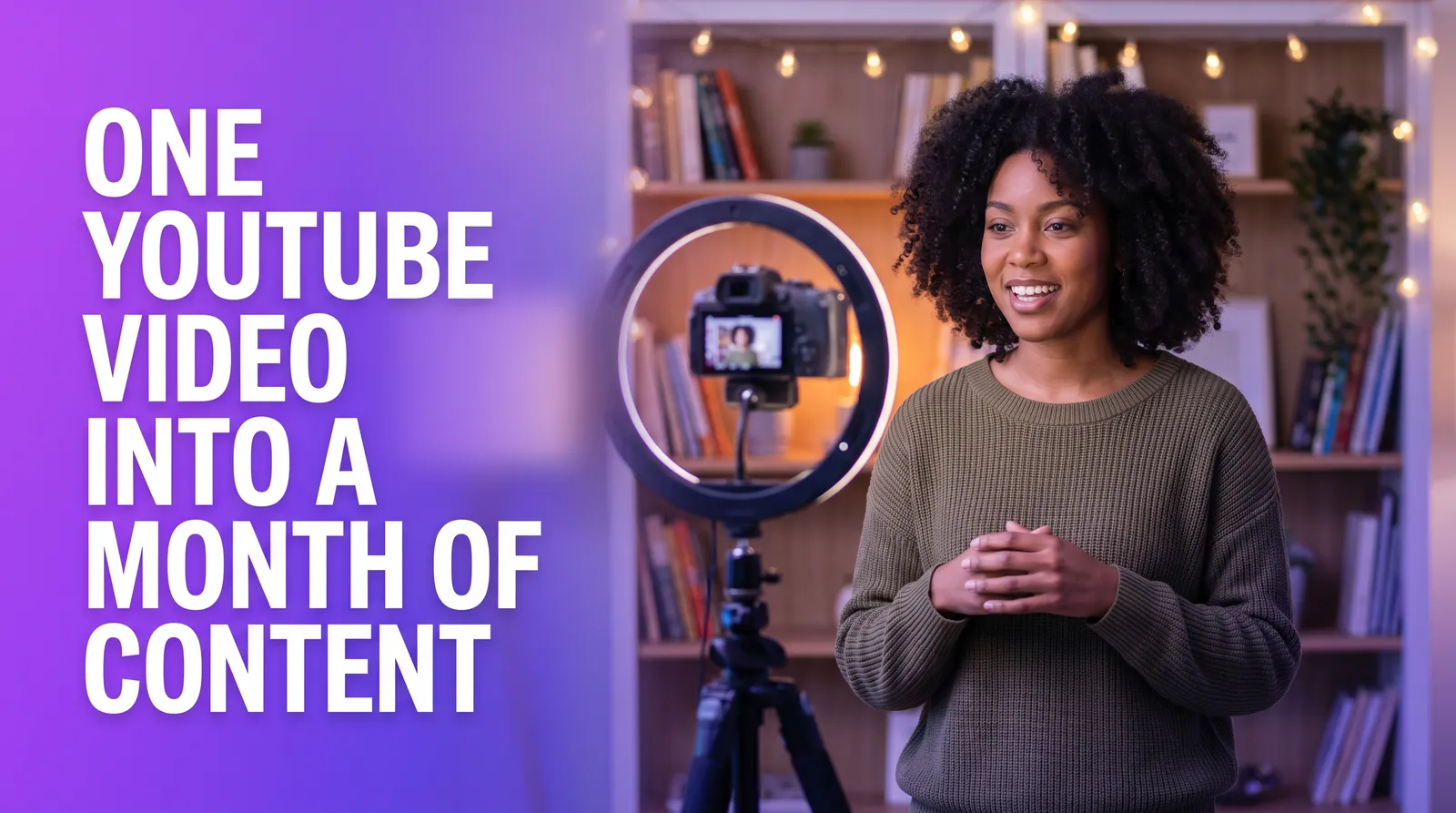
Your YouTube upload already comes with a transcript, chapters, and a description built for search. Here is the system to mine all three into a month of posts across every platform.
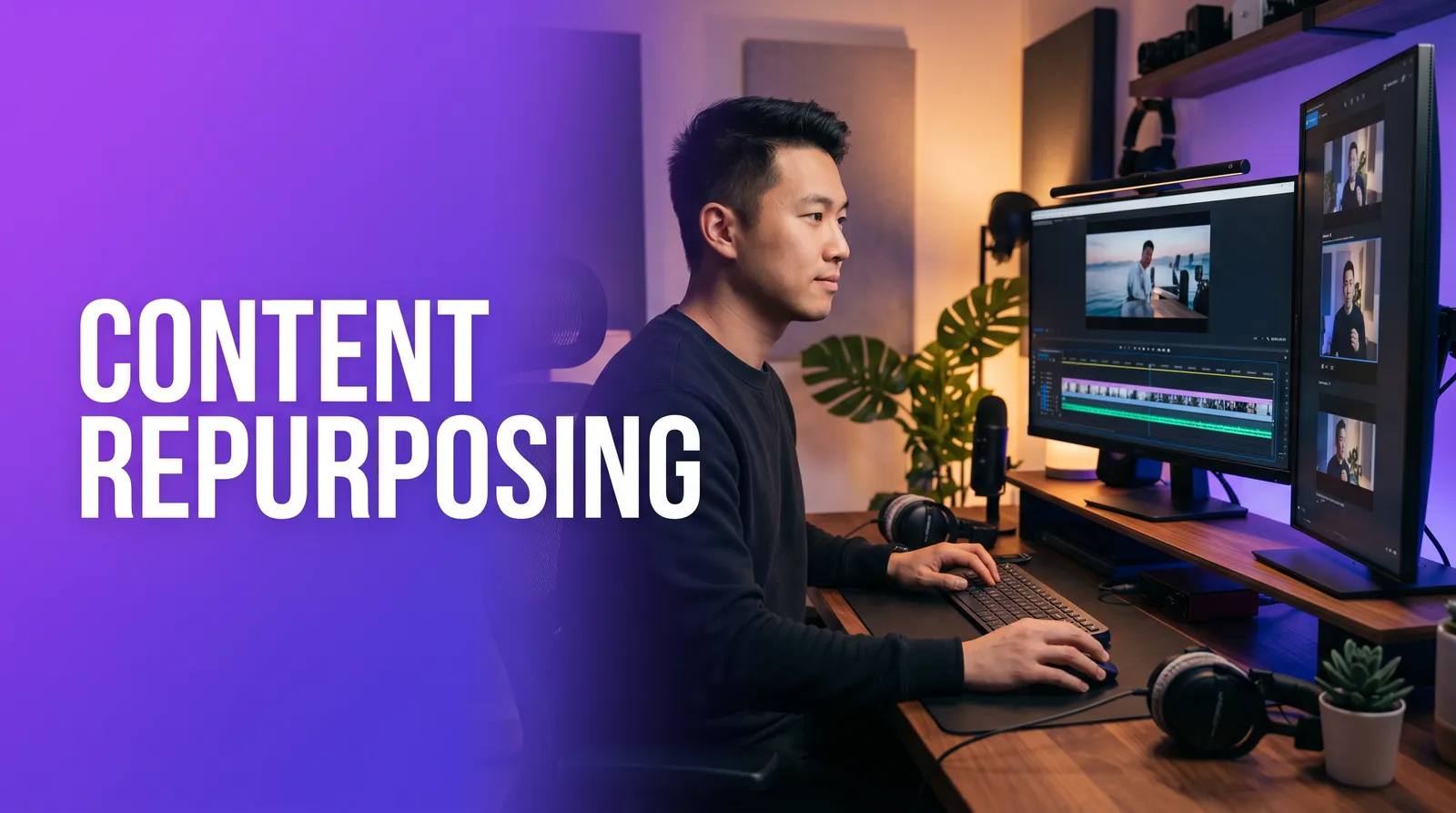
You are not short on ideas. You are short on a system to turn the ones you already had into content. This is the complete guide to content repurposing.
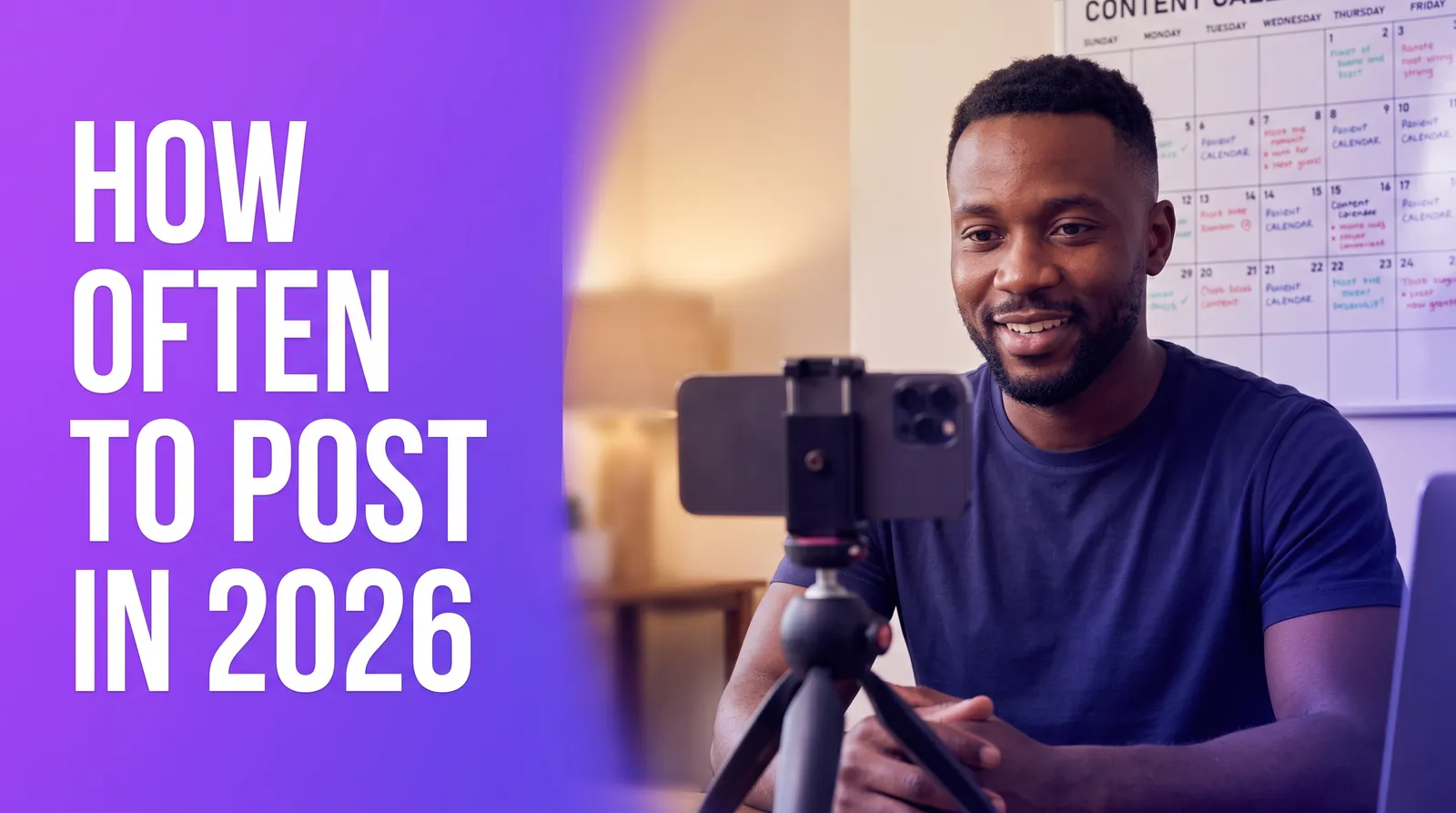
A per-platform posting cadence cheat sheet for 2026, backed by platform-official guidance and research firms, plus the reason consistency beats volume and a workflow to actually hit the numbers.
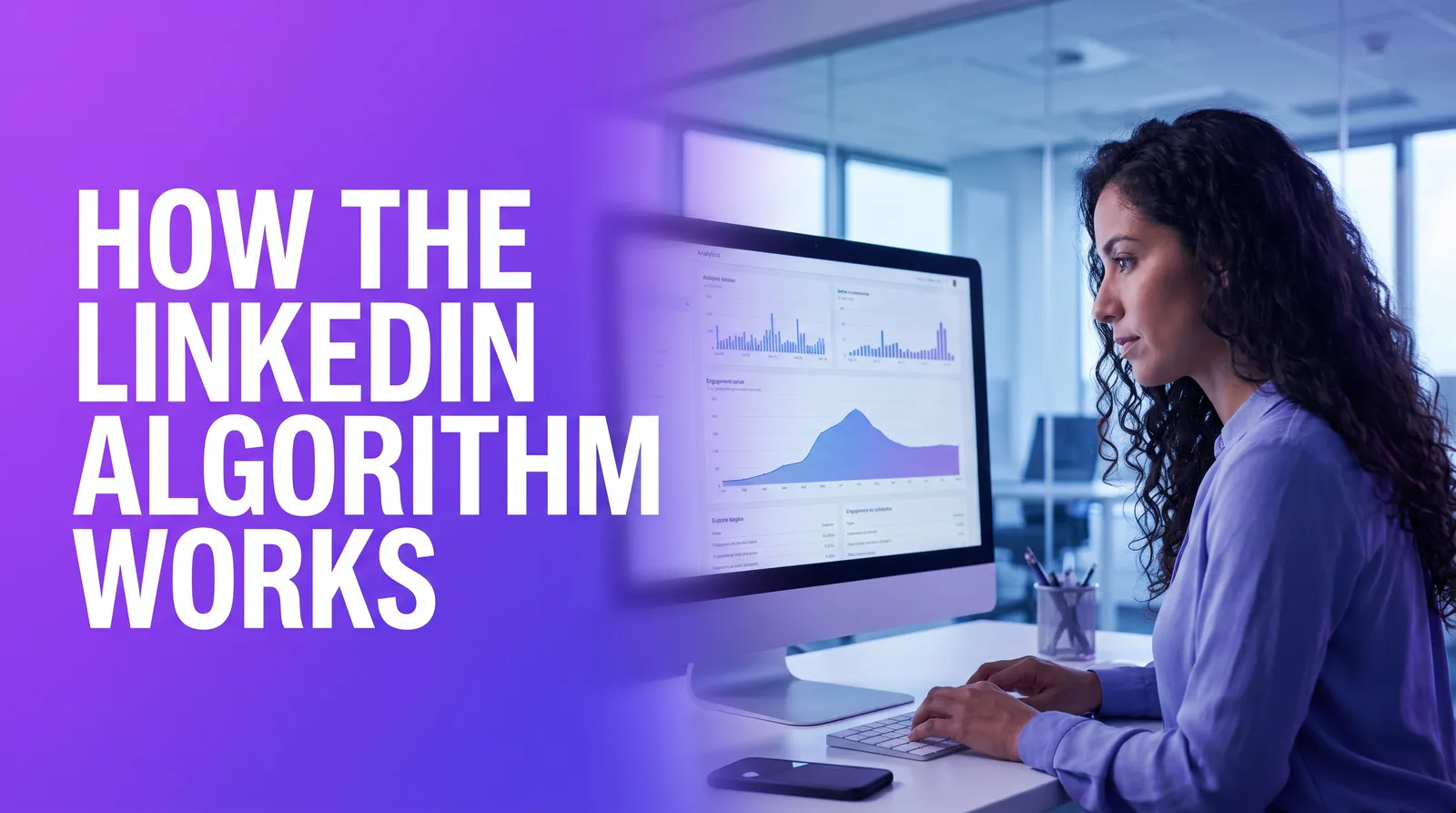
The LinkedIn algorithm is not a slot machine. It is a relevance system with rules you can read, and most of them trace back to LinkedIn's own engineering.
Everyone has a chart of magic posting hours. Here is what platform-level data actually supports, why timing is an amplifier rather than a ranking factor, and a 30-day system to find your own best time.
You do not need 10 ideas for 10 LinkedIn posts. You need one video and a system to mine it. Here is exactly how to turn a single recording into two weeks of posts.
A scheduler queues posts you already wrote. It never writes them. Here are the 9 best social media scheduling tools in 2026, ranked honestly, plus the step they all skip.